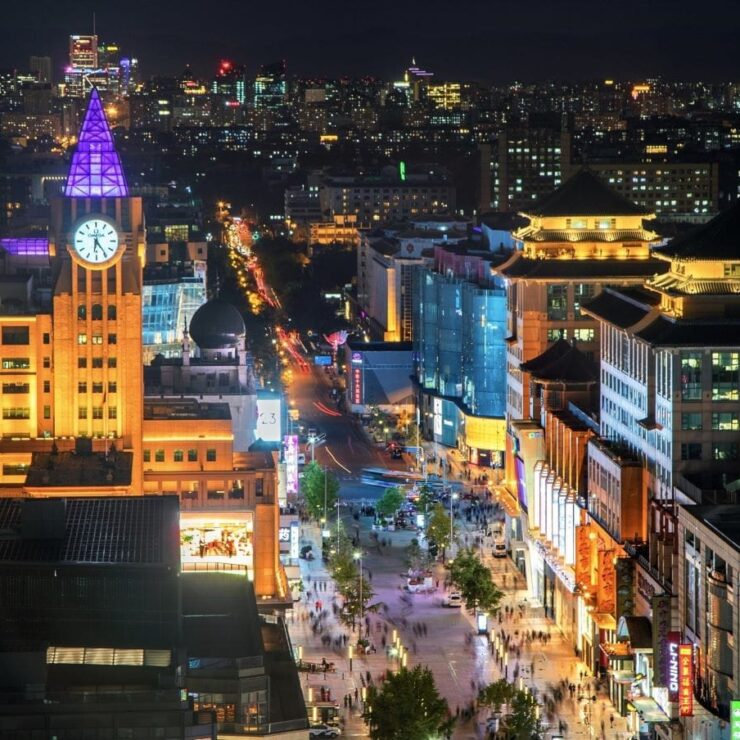
Welcome, art enthusiasts and curious travelers, to a deep dive into one of Beijing’s cultural gems—the National Art Museum of China (NAMOC). Located on Wusi Main Street in the heart of the city, this prestigious museum showcases an unparalleled collection of modern and contemporary Chinese art, offering a window into the nation’s evolving artistic landscape. If you’re staying at the nearby Empark Prime Hotel Beijing, you’re perfectly positioned for a convenient visit. This comprehensive guide will cover everything you need to know about the National Art Museum of China, including its history, highlights, and how to get there from your hotel, ensuring an enriching experience in Beijing.
What is the National Art Museum of China?
The National Art Museum of China, often abbreviated as NAMOC, is the country’s premier institution dedicated to the preservation, research, and exhibition of modern and contemporary Chinese art. Situated at 1 Wusi Dajie (Wusi Main Street) in Dongcheng District, Beijing, the museum is just a short distance from other iconic landmarks like the Forbidden City and Tiananmen Square. Established in 1963, NAMOC was one of the first major cultural projects initiated after the founding of the People’s Republic of China, symbolizing the nation’s commitment to fostering artistic expression.
The museum’s striking architecture, blending traditional Chinese elements with modern design, spans over 30,000 square meters. Its vast collection includes more than 110,000 pieces of art, ranging from traditional ink paintings and calligraphy to contemporary sculptures, oil paintings, and multimedia installations. NAMOC plays a vital role in promoting Chinese art both domestically and internationally through exhibitions, educational programs, and cultural exchanges.
Whether you’re an art aficionado or simply looking to explore Beijing’s cultural offerings, the National Art Museum of China provides a captivating journey through the creativity and history of modern China.
A Brief History of NAMOC
The National Art Museum of China was officially opened on July 23, 1963, as part of a broader initiative to celebrate and preserve Chinese culture in the post-revolutionary era. The museum was designed by renowned architect Dai Nianci, who incorporated elements of classical Chinese aesthetics—such as a tiled roof and symmetrical layout—with functional modern design. Its location on Wusi Main Street is historically significant, as the street is named after the May Fourth Movement of 1919, a pivotal cultural and political movement that shaped modern China and influenced its artistic expressions.
Over the decades, NAMOC has grown into a leading cultural institution, hosting landmark exhibitions and serving as a platform for both established and emerging Chinese artists. Its permanent collection includes works from the late 19th century to the present day, reflecting the dramatic social, political, and cultural changes in China over this period. The museum also organizes temporary exhibitions, often showcasing international art or thematic displays that highlight specific movements or artists.
In recent years, NAMOC has been at the forefront of discussions about a new, larger facility near the Beijing Olympic Park, which is set to become one of the largest art museums in the world. However, the current location on Wusi Main Street remains the heart of its operations and a must-visit for tourists.
Why Visit the National Art Museum of China?
The National Art Museum of China offers a unique perspective on the evolution of Chinese art and culture, making it a compelling stop on any Beijing itinerary. Here are some reasons why it should be on your list:
- Diverse Collection: NAMOC’s vast collection spans multiple genres and mediums, including traditional Chinese painting, woodblock prints, revolutionary art from the 20th century, and cutting-edge contemporary works. It’s a fantastic place to see how Chinese art has adapted to modern influences while retaining its cultural roots.
- Cultural Insight: The museum provides a deep understanding of China’s history through art. Many pieces reflect key historical events, such as the Cultural Revolution, the opening of China to the world, and the rapid modernization of the late 20th and early 21st centuries.
- Free Admission: Unlike many major museums worldwide, NAMOC offers free entry to its permanent collection, though special exhibitions may require a ticket. This makes it an accessible and budget-friendly attraction for all travelers.
- Central Location: Situated in central Beijing, the museum is surrounded by other cultural and historical landmarks, allowing you to combine your visit with explorations of nearby sites like the Forbidden City or Jingshan Park.
- Rotating Exhibitions: NAMOC frequently hosts temporary exhibitions featuring both Chinese and international artists, ensuring that there’s always something new to see, even for repeat visitors.
How to Get to the National Art Museum of China from Empark Prime Hotel Beijing
If you’re staying at the elegant Empark Prime Hotel Beijing, located in the vibrant Wangfujing area, you’re just a short distance from the National Art Museum of China. The hotel is approximately 1.5 kilometers (0.9 miles) from the museum, making it an easy and quick journey. Here are your transportation options:
- Walking: The most straightforward and scenic way to reach NAMOC is by walking. From Empark Prime Hotel Beijing, head north along Wangfujing Street, a bustling shopping area filled with shops and eateries. Turn left onto Wusi Main Street, and you’ll find the museum on your right after about a 20–25-minute walk. This route allows you to soak in the atmosphere of central Beijing.
- Public Transportation: Beijing’s efficient subway system is another great option. Walk a few minutes from the hotel to Dengshikou Station on Line 5. Take the subway one stop north to Dongsi Station, then transfer to Line 6 and get off at Nanluoguxiang Station. From there, it’s a short 10-minute walk to the museum. The total travel time is around 15–20 minutes.
- Taxi or Ride-Hailing Apps: A taxi or ride-hailing service like Didi will get you to NAMOC in about 5–10 minutes, depending on traffic. This is a convenient choice if you prefer a quick and hassle-free trip, especially during hot or cold weather.
- Cycling: Beijing is bike-friendly, and many hotels, including Empark Prime Hotel Beijing, can assist with bike rentals or point you to nearby rental services. Cycling to the museum takes about 10–15 minutes and is a fun way to explore the city’s streets.
Pro Tip: The National Art Museum of China is closed on Mondays, so plan your visit for another day of the week. It’s open from 9:00 AM to 5:00 PM (last entry at 4:00 PM), and entry is free for the permanent collection, though you’ll need to show a valid ID or passport to get a ticket at the entrance. Special exhibitions may have a small fee.
Exploring the National Art Museum of China: Must-See Highlights
With multiple floors and exhibition halls, NAMOC offers a wealth of art to explore. While the displays rotate regularly, here are some highlights and themes you’re likely to encounter:
- Traditional Chinese Art: The museum’s collection includes exquisite ink paintings and calligraphy, showcasing the timeless beauty of traditional Chinese techniques. Look for works by masters of the late Qing Dynasty and early 20th century.
- Revolutionary Art: A significant portion of NAMOC’s collection focuses on art from the mid-20th century, including propaganda posters, woodcuts, and paintings that reflect the ideals of the Communist Revolution and the Cultural Revolution. These pieces offer a fascinating glimpse into the political climate of the time.
- Modern and Contemporary Works: NAMOC is home to an impressive array of modern Chinese art, including oil paintings, sculptures, and installations by artists who have shaped China’s contemporary art scene. Look for works by influential figures like Xu Beihong, known for his realistic depictions of horses, and Zhang Daqian, a master of traditional painting.
- Temporary Exhibitions: The museum frequently hosts special exhibitions that may feature international artists, thematic collections, or retrospectives of individual Chinese artists. Check the official website or ask at the entrance for the current schedule.
- Architecture and Ambiance: Beyond the art, the museum itself is worth admiring. Its grand entrance hall, with high ceilings and natural light, creates a serene atmosphere for appreciating the works on display.
Pro Tip: Photography is allowed in most areas of the museum, but flash photography and tripods are prohibited. Be respectful of other visitors and follow the posted guidelines. Audio guides or guided tours may be available for a small fee, providing deeper context to the exhibits.
Practical Tips for Visiting the National Art Museum of China
- Tickets: Admission to the permanent collection is free, but you must present a valid ID or passport at the ticket counter to receive a free entry pass. Special exhibitions may require a paid ticket, typically costing around 10–20 CNY (1.5–3 USD).
- Best Time to Visit: Visit on weekday mornings to avoid crowds, as the museum can get busy during weekends and national holidays like the Spring Festival or National Day in October. Spring (March to May) and autumn (September to November) offer pleasant weather for exploring Beijing.
- Time Needed: Plan to spend 1.5–3 hours at the museum, depending on your interest in art and whether you’re attending a special exhibition. The compact layout makes it easy to navigate.
- What to Bring: Carry a small bottle of water and a camera or smartphone for photos. There’s a small shop and cafe on-site if you need refreshments, but options are limited compared to nearby Wangfujing Street.
- Dress Code: There’s no strict dress code, but casual, comfortable clothing is recommended. Dress respectfully, as this is a cultural institution.
- Accessibility: The museum is wheelchair-accessible with elevators and ramps in most areas. Staff are available to assist visitors with mobility challenges.
Where to Stay: Empark Prime Hotel Beijing
After immersing yourself in the artistic wonders of the National Art Museum of China, return to the comfort of Empark Prime Hotel Beijing. Located in the heart of Wangfujing, this 5-star hotel offers luxurious accommodations, exceptional service, and easy access to Beijing’s top attractions. Its proximity to NAMOC—just a short walk or ride away—makes it an ideal base for cultural explorers.
The hotel features elegantly designed rooms, multiple dining options serving both Chinese and international cuisine, a fitness center, and an indoor pool. After a day of sightseeing, unwind in style or take a short stroll to the nearby Wangfujing Night Market to sample local street food and shop for souvenirs.
The National Art Museum of China is a cultural treasure that offers a profound look into the heart of modern and contemporary Chinese art. From traditional masterpieces to thought-provoking contemporary works, it tells the story of a nation through the eyes of its artists. For guests staying at Empark Prime Hotel Beijing, this museum is a convenient and enriching addition to your Beijing adventure, located just a short distance away.
So, pack your curiosity and set out to explore the artistic heritage of China at NAMOC. Whether it’s your first visit or a return trip, the museum promises new discoveries with every exhibition. Have you visited the National Art Museum of China, or are you planning to? Share your thoughts and experiences in the comments below, and let’s inspire more travelers to uncover Beijing’s cultural wonders!
!