Welcome, travelers, to an exploration of one of the most iconic landmarks in the world—the Forbidden City. Nestled in the heart of Beijing, this vast palace complex stands as a testament to China’s rich history, serving as the imperial residence and political center for over 500 years. Whether you’re staying at the nearby Empark Prime Hotel Beijing or planning a day trip, this guide will provide you with everything you need to know about visiting the Forbidden City, including its history, must-see highlights, and practical tips for an unforgettable experience.
What is the Forbidden City?
The Forbidden City, also known as the Imperial Palace or Gugong in Chinese, is a sprawling complex of palaces, halls, and gardens that was the epicenter of Chinese imperial power from the Ming Dynasty (1368–1644) to the end of the Qing Dynasty (1644–1912). Constructed between 1406 and 1420 under the reign of Emperor Yongle, it served as the home to 24 emperors over five centuries. Its name, “Forbidden City,” comes from the fact that commoners were strictly prohibited from entering the complex without permission—making it a mysterious and sacred space reserved for royalty and high-ranking officials.
Located in the center of Beijing, just north of Tiananmen Square, the Forbidden City covers an area of 72 hectares (180 acres) and is surrounded by a 10-meter-high wall and a 52-meter-wide moat. With over 980 buildings and nearly 9,000 rooms, it is one of the largest and best-preserved ancient wooden architectural complexes in the world. In 1987, it was designated a UNESCO World Heritage Site, recognized for its cultural and historical significance.
Today, the Forbidden City operates as the Palace Museum, offering visitors a glimpse into the opulent lives of Chinese emperors and the intricate political systems that shaped the nation.
A Brief History of the Forbidden City
The Forbidden City was commissioned by Emperor Yongle, the third emperor of the Ming Dynasty, who moved the capital of China from Nanjing to Beijing. The construction took 14 years and involved over a million workers, showcasing the immense power and resources of the empire at the time. The complex was designed according to traditional Chinese feng shui principles, with its layout symbolizing the emperor’s divine connection to heaven and earth.
The Forbidden City was not just a residence but also the political and ceremonial heart of China. It was divided into two main sections: the Outer Court, where emperors conducted state affairs and ceremonies, and the Inner Court, where the emperor and his family lived. Over the centuries, it witnessed coronations, weddings, and pivotal historical events, as well as the eventual fall of the Qing Dynasty in 1912, marking the end of imperial rule in China.
After the abdication of the last emperor, Puyi, the Forbidden City was opened to the public in 1925 as a museum. Despite facing challenges during the Cultural Revolution, it has been meticulously preserved and restored, allowing visitors to step back in time and experience the grandeur of imperial China.
Why Visit the Forbidden City?
For tourists, the Forbidden City offers a unique opportunity to explore China’s imperial past and marvel at its architectural brilliance. Here are just a few reasons why it should be at the top of your Beijing itinerary:
- Architectural Marvel: The complex is a masterpiece of traditional Chinese architecture, featuring intricate wooden structures, vibrant red walls, and golden tiled roofs. Its symmetrical layout and detailed carvings reflect the harmony and order of the cosmos as envisioned by ancient Chinese philosophy.
- Historical Significance: As the political and cultural center of China for over five centuries, the Forbidden City is a living museum of the country’s dynastic history. From the Ming to the Qing Dynasty, it was the stage for some of the most important events in Chinese history.
- Cultural Treasures: The Palace Museum houses over 1.8 million artifacts, including imperial treasures, paintings, ceramics, and calligraphy. While not all are on display, the rotating exhibitions provide a deep insight into the lives of emperors and their courts.
- Proximity to Other Attractions: Located in central Beijing, the Forbidden City is surrounded by other must-see landmarks like Tiananmen Square, the Mausoleum of Mao Zedong, and Jingshan Park, making it easy to plan a full day of sightseeing.
How to Get to the Forbidden City from Empark Prime Hotel Beijing
If you’re staying at the luxurious Empark Prime Hotel Beijing, you’re in a fantastic location to explore the Forbidden City. The hotel, known for its elegant design and proximity to key attractions, is approximately 3.5 kilometers (2.2 miles) from the Forbidden City, making it a short and convenient journey. Here are your options for getting there:
- Walking: For those who enjoy a scenic stroll, you can walk from Empark Prime Hotel Beijing to the Forbidden City in about 40–50 minutes. Head south along Wangfujing Street, one of Beijing’s most famous shopping streets, and continue toward Tiananmen Square. The main entrance to the Forbidden City, the Meridian Gate (Wumen), is just beyond the square.
- Public Transportation: Beijing’s efficient subway system is a great option. From the hotel, walk a short distance to Dengshikou Station on Line 5, then transfer at Dongsi Station to Line 6. Get off at Nanluoguxiang Station or take a slightly longer route to Tiananmen East or West Station on Line 1. The journey takes around 15–20 minutes, followed by a short walk to the entrance.
- Taxi or Ride-Hailing Apps: A taxi or ride-hailing service like Didi will get you to the Forbidden City in about 10–15 minutes, depending on traffic. This is a convenient option if you prefer not to walk or navigate public transport.
- Cycling: Beijing is a bike-friendly city, and many hotels, including Empark Prime Hotel Beijing, offer bike rentals or can direct you to nearby rental services. Cycling to the Forbidden City is a fun and eco-friendly way to explore the city.
Pro Tip: The Forbidden City is closed on Mondays (except for national holidays), so plan your visit accordingly. It’s also best to arrive early in the morning to avoid crowds, especially during peak tourist seasons like spring and autumn.
Exploring the Forbidden City: Must-See Highlights
The Forbidden City is enormous, and a single visit may not cover every corner. However, focusing on the central axis and key areas will give you a comprehensive experience. Here are the must-see highlights:
- Meridian Gate (Wumen): The grand southern entrance to the Forbidden City, this towering gate with five arches was once reserved for the emperor. Today, it serves as the main entrance for visitors and houses a ticket office and exhibition space.
- Hall of Supreme Harmony (Taihedian): Located in the Outer Court, this is the largest and most important hall in the complex. It was used for major ceremonies, such as coronations and imperial weddings. The hall’s raised marble platform and intricate dragon carvings are awe-inspiring.
- Hall of Central Harmony (Zhonghedian) and Hall of Preserving Harmony (Baohedian): These two halls, also in the Outer Court, were used for state banquets and imperial examinations. The Hall of Preserving Harmony features a massive stone carving of dragons playing with a pearl, weighing over 200 tons.
- Palace of Heavenly Purity (Qianqinggong): In the Inner Court, this palace served as the emperor’s residence during the Ming Dynasty and later as an audience hall during the Qing Dynasty. It symbolizes the emperor’s connection to heaven.
- Imperial Garden: Located at the northern end of the complex, this beautifully landscaped garden offers a peaceful retreat with ancient cypress trees, pavilions, and rockeries. It’s a great spot to relax after exploring the palaces.
- Treasury and Exhibitions: Don’t miss the rotating exhibitions in the side halls, which display imperial artifacts like jade carvings, porcelain, and jewelry. The Clock and Watch Gallery is particularly fascinating, showcasing intricate timepieces from the Qing Dynasty.
Pro Tip: Rent an audio guide or join a guided tour to gain deeper insights into the history and symbolism of each area. Wear comfortable shoes, as you’ll be walking on uneven cobblestones for several hours.
Practical Tips for Visiting the Forbidden City
- Tickets: Tickets must be purchased online in advance through the official Palace Museum website or authorized platforms like WeChat. As of recent updates, on-site ticket sales are limited, so plan ahead. Admission is typically around 60 CNY (approximately 9 USD) during peak season (April to October) and 40 CNY during the off-season (November to March).
- Best Time to Visit: Spring (March to May) and autumn (September to November) offer pleasant weather for exploring. Avoid visiting during Chinese national holidays, such as the National Day Golden Week in early October, due to massive crowds.
- Time Needed: Allocate at least 3–4 hours to explore the main areas. If you’re a history buff or want to see the exhibitions, plan for a full day.
- What to Bring: Carry water, sunscreen, and a hat, as much of the complex is exposed to the elements. Snacks are allowed, but there are also cafes and vending machines inside.
- Dress Code: There is no strict dress code, but dress respectfully as it is a cultural site. Avoid wearing overly casual or revealing clothing.
- Accessibility: The Forbidden City is not very wheelchair-friendly due to steps and uneven surfaces. However, some areas have ramps, and staff can assist visitors with mobility issues.
Where to Stay: Empark Prime Hotel Beijing
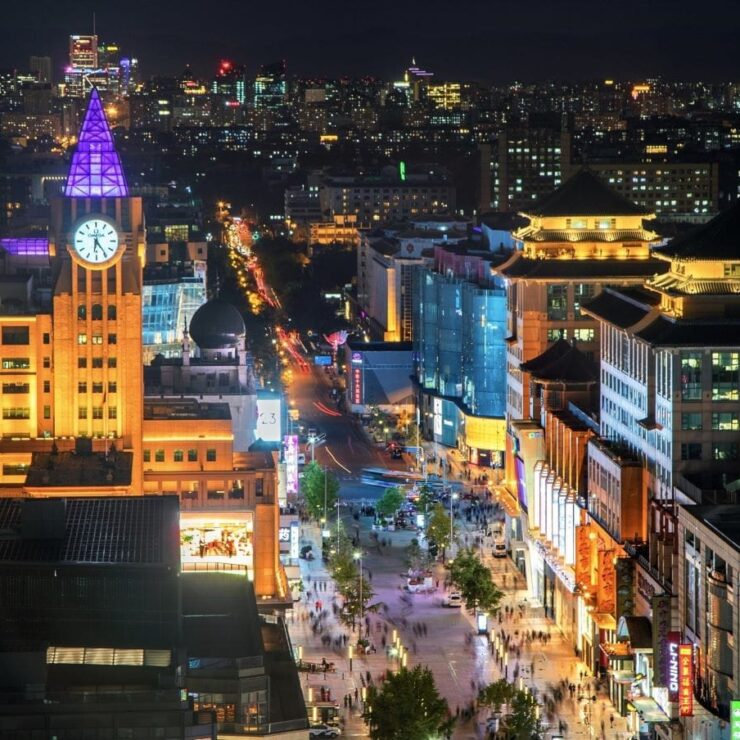
After a day of exploring the Forbidden City, return to the comfort of Empark Prime Hotel Beijing. Located in the bustling Wangfujing area, this 5-star hotel offers modern amenities, spacious rooms, and stunning views of the city. Its prime location puts you within walking distance of not only the Forbidden City but also other attractions like the Wangfujing Night Market, where you can sample local delicacies.
The hotel features multiple dining options, a fitness center, and an indoor pool, ensuring a relaxing stay. Whether you’re traveling for leisure or business, Empark Prime Hotel Beijing combines luxury with convenience, making it an ideal base for your Beijing adventure.
The Forbidden City is more than just a tourist attraction; it’s a window into the soul of ancient China. From its majestic halls to its serene gardens, every corner tells a story of emperors, intrigue, and tradition. For guests staying at Empark Prime Hotel Beijing, this historical gem is just a short journey away, offering an easy and enriching addition to your itinerary.
So, lace up your walking shoes, charge your camera, and prepare to be transported back in time. The Forbidden City awaits, ready to unveil the secrets of China’s imperial past. Have you visited the Forbidden City before, or is this your first trip? Share your thoughts and experiences in the comments below, and let’s inspire more travelers to explore this incredible destination!